
Sabbatical Dispatch #4: Space to Grieve
Losing a Legend

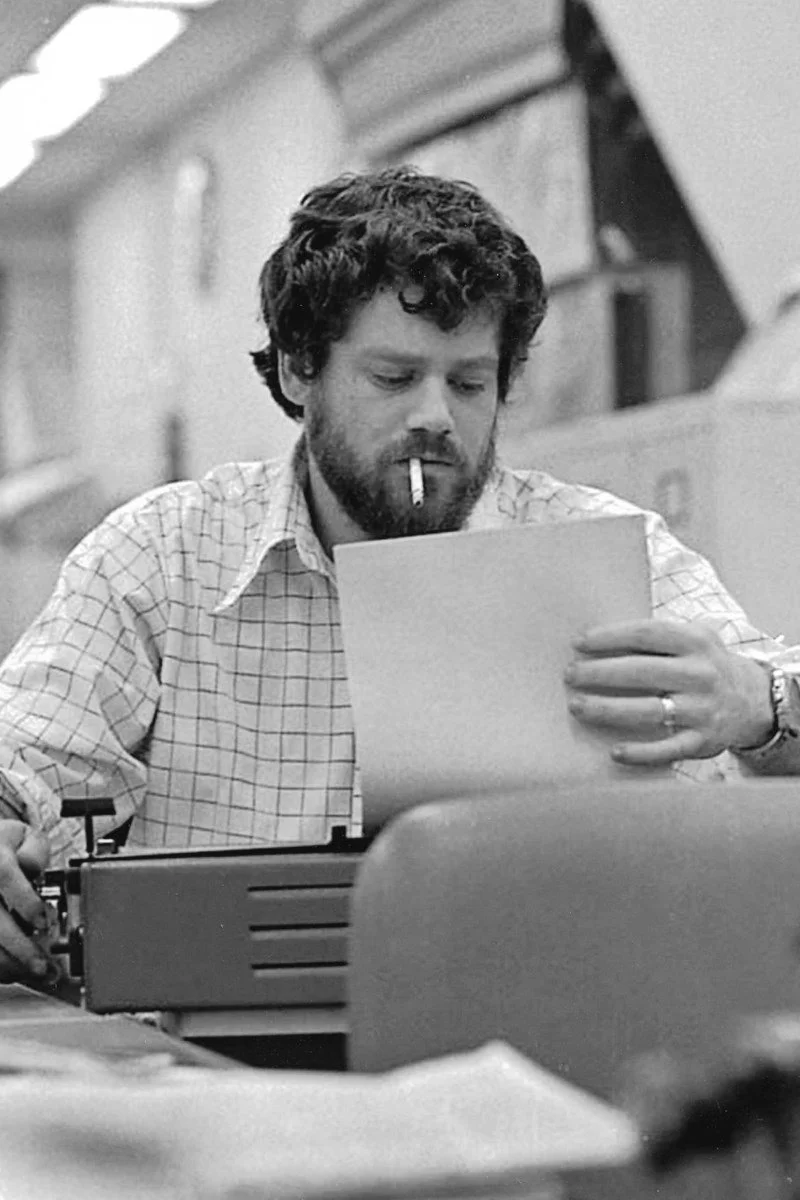
As many of you know, my father-in-law, Elly Alboim, died earlier this year on February 8th. Elly was a legend. He was parliamentary bureau chief and national political editor for CBC News from 1977 to 1993 and then went into communications consulting with Earnscliffe Strategy Group and became an advisor to Prime Ministers, Cabinet Ministers, Provincal Premiers, and business leaders. For decades, Elly was at the epicenter of Canadian political and civic life and advised on some of the largest business transactions in Canadian history. All the while, over forty years, he served as a Journalism professor at Carleton University, helping raise up the next generations of journalists and thought leaders.
Elly was not only my father-in-law; he was a father to me, and I have tried to model myself on his example.
In my sermon this past Ash Wednesday I reflected about what his life and death were teaching me. I said:
“If I could tell you one thing that captures who Elly truly was, it would be this:
"That Elly never declined a phone call from his wife, his children, his sister, or one of his grandchildren. It didn’t matter if he was meeting with the Prime Minister of Canada or in the middle of teaching a class. He would step aside, answer the phone, and ask one simple question: “Are you okay?” Only then would he say, “Can I call you back?”
I overheard Jenny’s side of those conversations many, many times over the years. She would say, “Hi Daddy,” (it was always Daddy) and then launch into whatever thing that had come up or was on her mind….” When she realized where he was, who he was with, she’d say, oh my God, never mind, no big deal, call me later. And he did. He was constantly checking in on the people in his life. He always somehow seemed to know when to call, when to show up. As busy as he was, as important and pressing as his work could sometimes be, he found a way to be present for those he loved. That was how he lived.
Here was a man who understood power and responsibility—and yet never confused importance with attention. He knew what mattered. And he knew who mattered.” (You can read the whole sermon here.)
We held a Celebration of Life for Elly at Carleton on March 22nd and it was attended by hundreds of family, friends, and colleagues. You can see the whole video here and this is an article that Carelton University published about the gathering. But, for the sake of brevity, I will share two reflections shared by dear family friends, David Herle and Jason Moscovitz, which capture Elly’s accomplishments and his humanity. I have rewatched them numerous times.
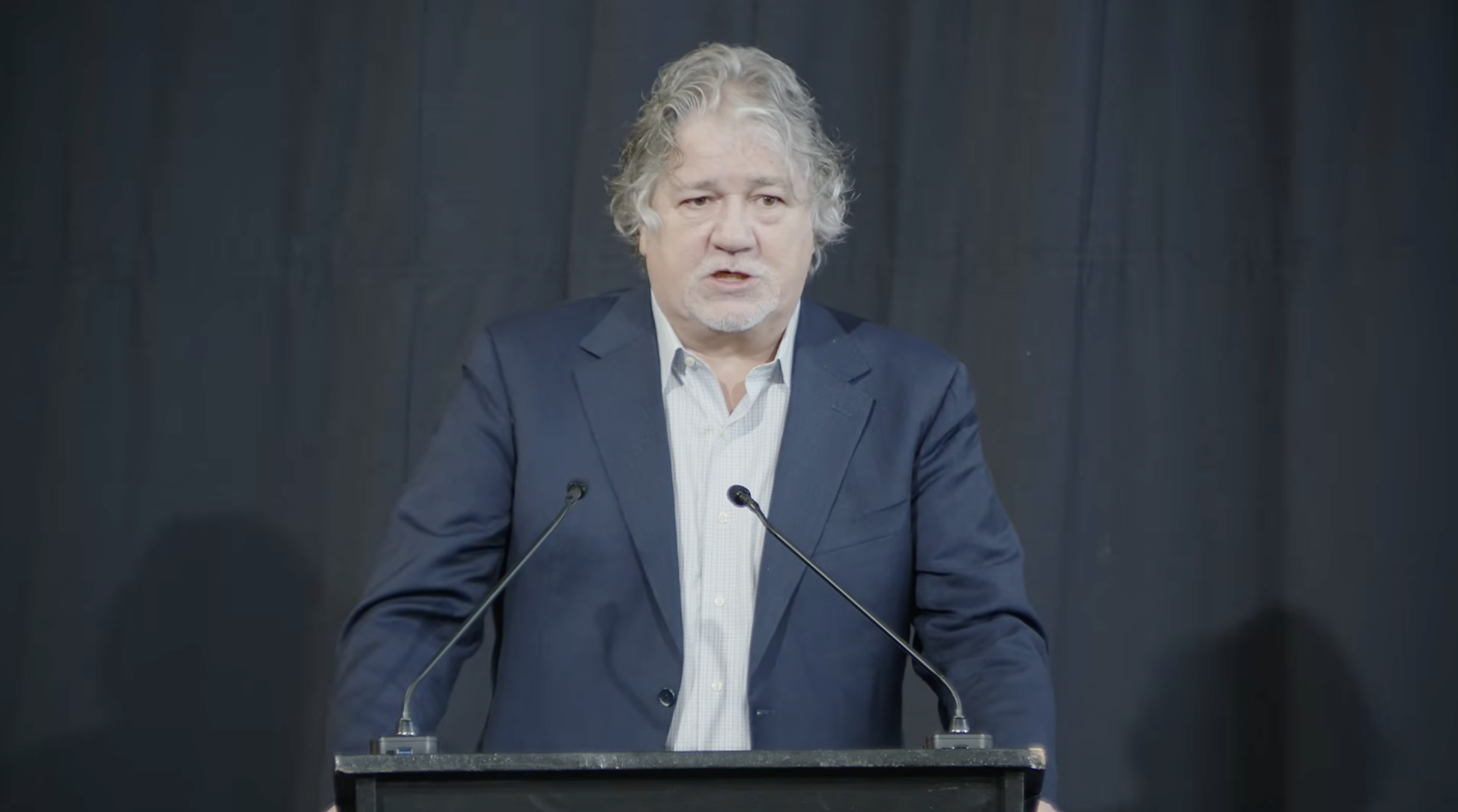
David Herle
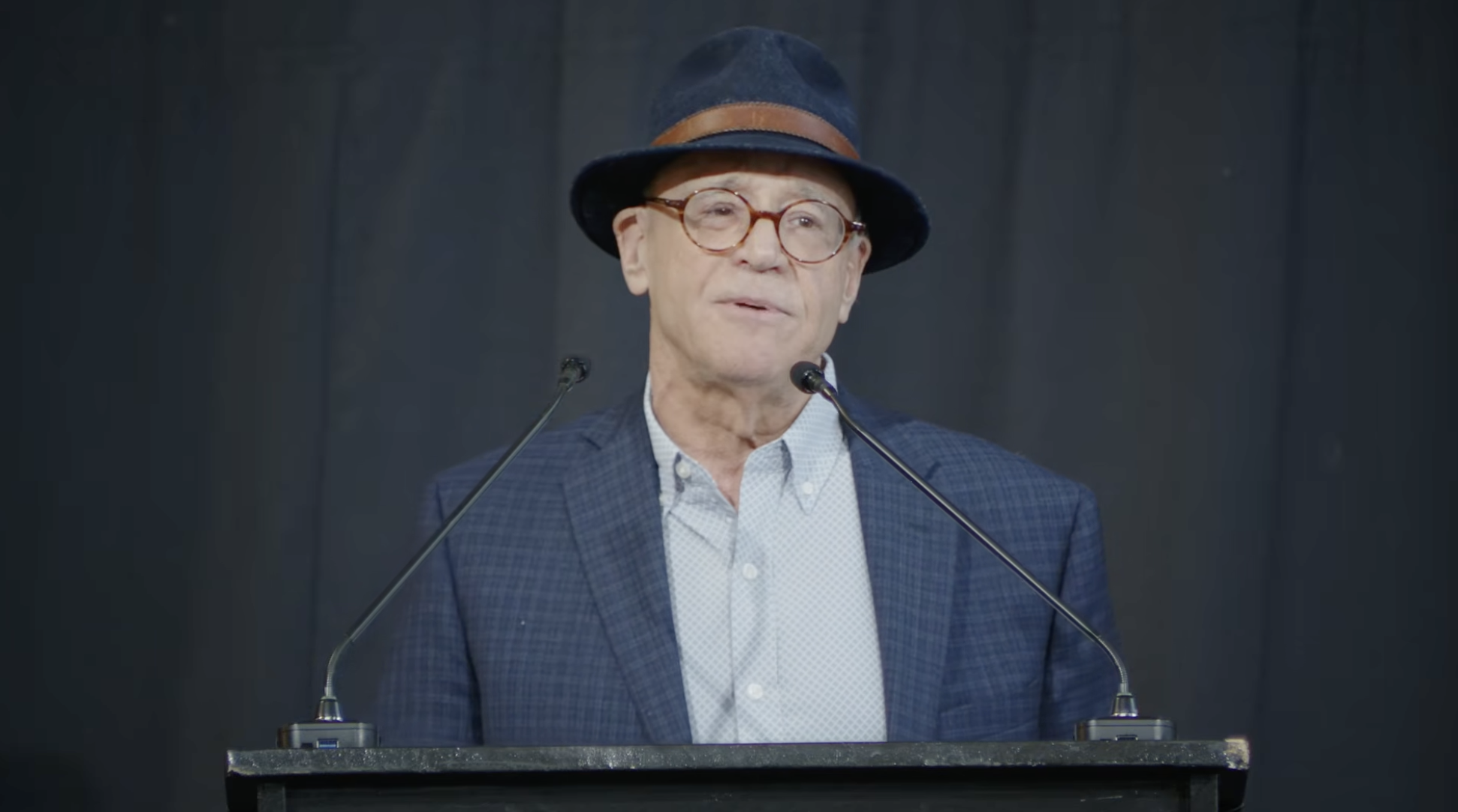
Jason Moscovitz
Time to Grieve
One of the gifts of this sabbatical has been to take time to grieve and be together as a family at my in-law’s summer cottage in Quebec—this special place where we have made so many enduring memories together as an extended family.
We are each finding our new roles, taking on the things that Elly used to do. We are figuring out where to sit around the dinner table now that Elly is no longer in his usual seat. At the campfire, we tried to remember how Elly would sing certain camp songs and do our best. (He was always the best singer among us.) We cleaned out his closet and distributed sentimental items to family members. I’m wearing one of his old sweatshirts as I write this. We have told so many stories. We have laughed and gotten choked up. Connecting with old friends at the lake has been a source of comfort and strength.
These are the kind of things that everyone who grieves experiences and it is part of the healing process.
Attending to Others’ Grief
In addition to my own personal grief, a large part of my role as pastor is to attend to the grief of others. When people ask me what is the hardest part of being a pastor (and there are plenty of hard parts), I say that the hardest part, at least for me, is loving the people in my congregation and then losing them. I looked back and I have led about 60 funerals over the last 6 years. That is a lot of loss.
It is a privilege to journey with people at the end of their lives and support their families. I am proud of the great job our staff does in planning and hosting funerals and memorial services, as we support families and honor those we have lost, entrusting them to God’s eternal love and care. It is something that we can uniquely provide in a time when it is hard for family and friends to know how to help. It is among the most important things we do.
And yet, I still carry the grief for those we have lost and I have not figured out how exactly to process it all. I guess that’s the nature of grief. There is not a formula to follow. It cannot be optimized or accelerated. It comes in waves and sometimes catches us unawares. Life does not slow down even though we are grieving, so we don’t always have the time and space that we need to process it and feel all our feelings.
A Gift
That is why this sabbatical time is such a gift. In some ways, I think that I have been able to graft my personal grief onto the pastoral grief that I experience and move through the phases and stages of accumulated grief that my busier days don’t normally afford. This has been beautifully healing for me, and I’m sure it will allow me to continue to be fully present to others and bring a deeper sense of compassion that comes out of my own personal loss and grief. This sabbatical could not have come at a better time for our family and I am grateful.
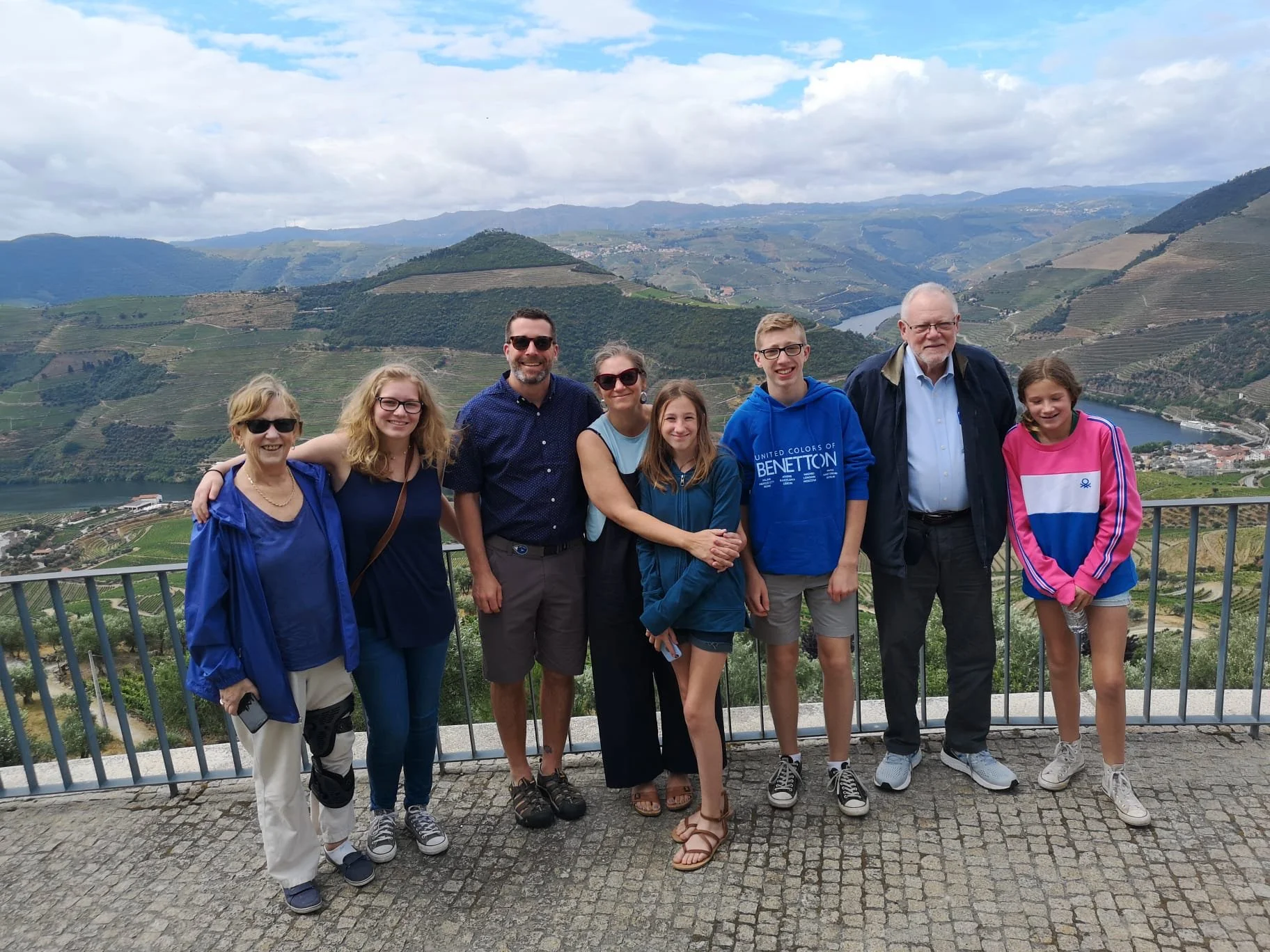
Family photo overlooking the Duoro Valley, Portugal, during my previous sabbatical in 2019. (From left to right: Kathy, Ellie, Keith, Jenny, Dulcie, Finn, Elly, and Tess.)